
Why a drink brand moves to a PET can
Weight is the first reason. A PET can body removes most of the freight cost of glass and the whole of the breakage problem, which matters when the product ships by pallet rather than by case.
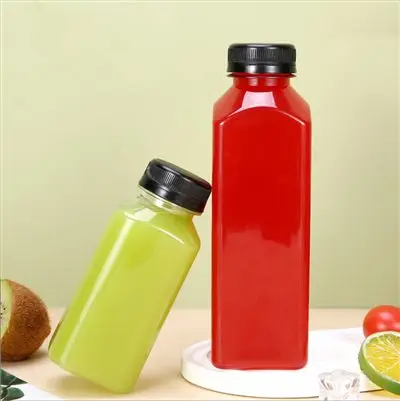
The second is decoration area. A can wall is a continuous surface, so a shrink sleeve or a full-wrap label runs edge to edge with no shoulder to break the artwork — that is why can formats photograph well and why they suit brands sold on shelf rather than in a fridge door.
Ring-pull or screw lid
A ring-pull gives the metal-can gesture and is the faster drink in hand. A screw lid re-closes, which matters for anything consumed over time or carried in a bag.
The choice is usually made by the market rather than by preference: a re-closable lid signals a premium or functional drink, while a ring-pull signals immediate consumption and a lower unit cost.
What to confirm before tooling
PET cans are cold-filled. If the process needs hot fill, the format changes before the artwork does — settle that first, because it decides the resin and the wall thickness.
Carbonated products need a pressure-rated wall and a closure that holds gas, which is a different specification from a still drink. Tell us the carbonation level; a still-drink can is not a substitute.
- Fill temperature
- Carbonation level, if any
- Shelf life and storage condition
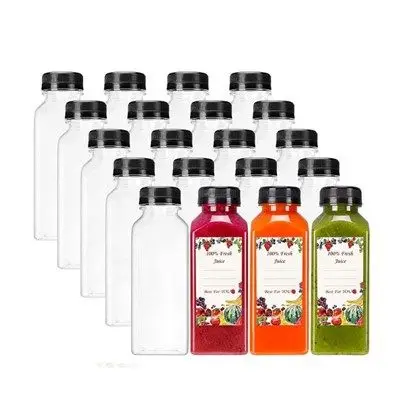
- Label type: sleeve, wrap label or direct print